
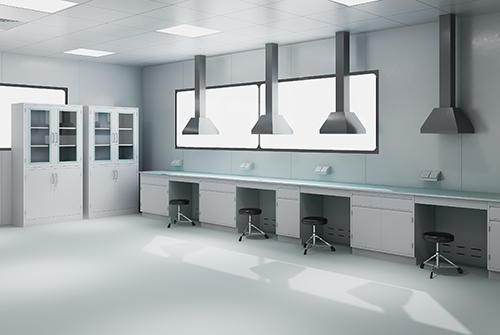
When choosing a laboratory countertop, multiple factors need to be considered, including chemical corrosion resistance, physical strength, conductivity/insulation, ease of cleaning, wear resistance, thermal stability, economy, environmental friendliness, and surface flatness. Different laboratory countertop materials have varying resistance to acids, alkalis, solvents, etc. Therefore, it is crucial to choose the appropriate countertop material based on the specific needs and standards of the laboratory. Here are some common laboratory countertop materials and their characteristics
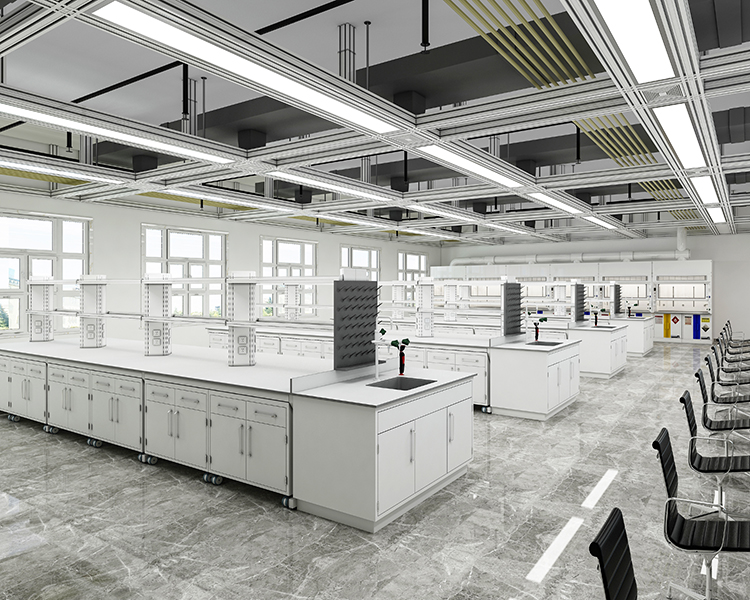
The design process of a biopharmaceutical laboratory mainly includes the following steps:
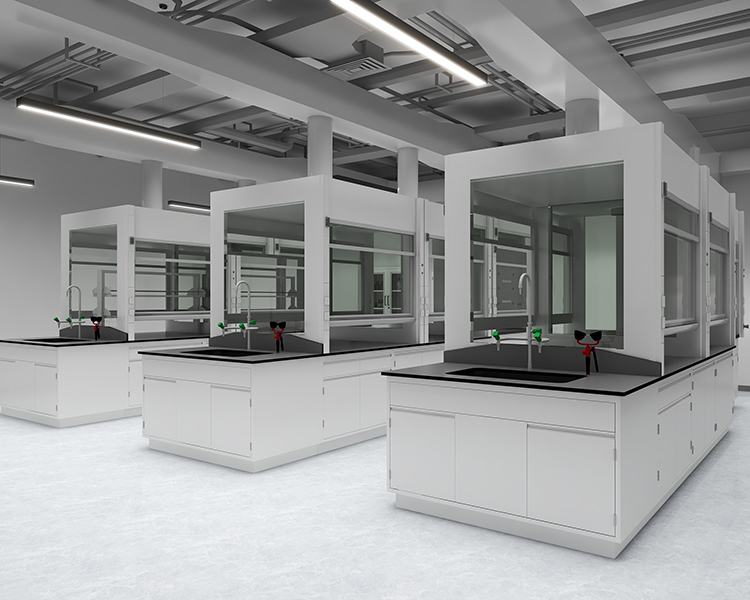
The commonly used laboratory ventilation equipment mainly includes fume hoods, atomic absorption hoods, universal exhaust hoods, desktop ventilation hoods, etc.(1) A fume hood is a ventilation device used for safe handling of harmful gases or vapors. Its function is to capture, seal, and transfer po
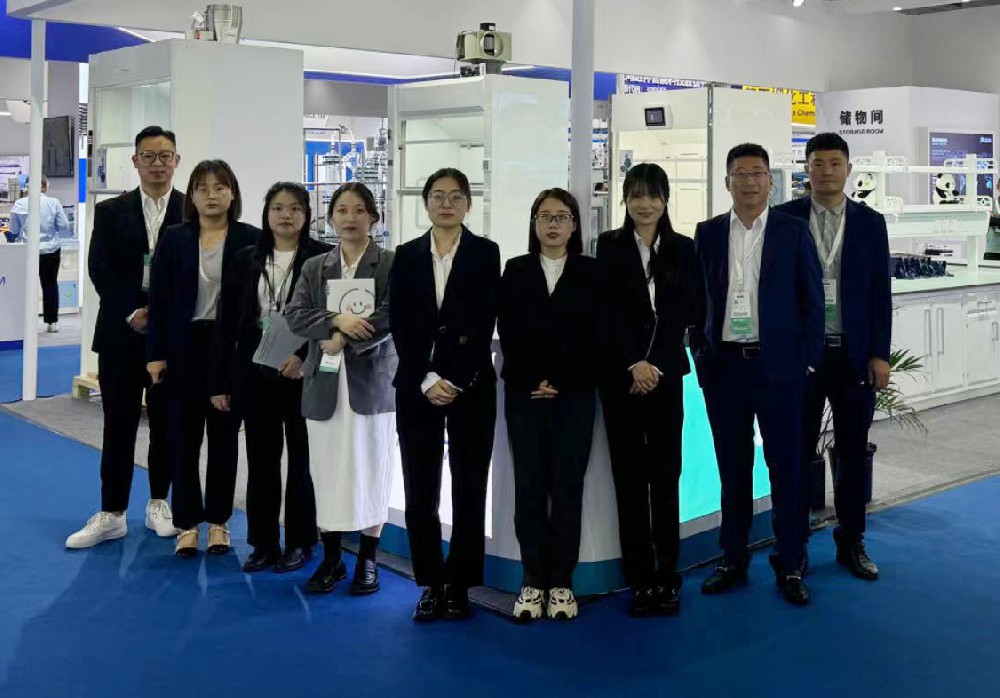
Jiangsu Wuyue Laboratory Equipment Co., Ltd. boasts a professional international trade team dedicated to exploring the international market, with business cooperation spanning over 70 countries and regions.We provide customers with one-stop intelligent integrated solution services, promote the intel
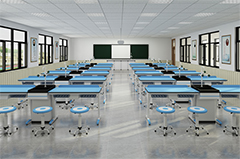
Wind system design: Ensure that the laboratory has a good ventilation system to effectively eliminate harmful gases and odors generated during experiments, and safeguard the health of laboratory personnel. When designing, the actual usage of the laboratory should be taken into account, and suitable
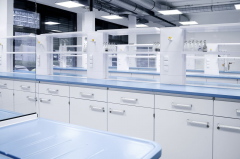
What is laboratory construction, and how to plan for it?Laboratory construction includes updating technology and equipment, increasing the number of researchers, and improving the capabilities of existing researchers. The principle of laboratory construction is to meet the needs of optim
P2 laboratory is a biosafety protection level two laboratory. The World Health Organization (WHO) classifies infectious microorganisms into four categories based on their pathogenicity and the degree of risk of transmission; According to equipment and technical conditions, biological laboratories are also divided into four levels (generally referred to as P1, P2, P3, P4 laboratories), with level 1 being the lowest and level 4 being the highest. Among various laboratories nowadays, P2 laboratory is the most widely used biosafety level laboratory.
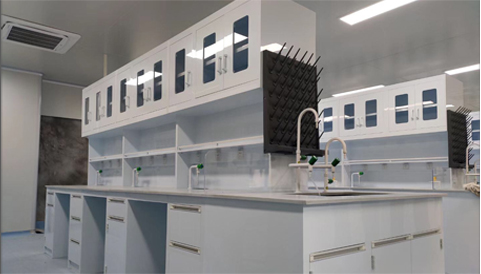
Do not eat, drink, store food, beverages, or other personal items in the laboratory; do not engage in activities unrelated to experiments or research.
Contact:Leon Li
Tel:0514-87669016
Phone:15801711895
E-mail:leon@wuylab.com
Website:http://www.wuylab.com/
Address:Room 2310, Building 1, Guotai Building, Hanjiang District, Yangzhou City