
Author:WuyTime:2024-10-30 10:02:50
The design process of a biopharmaceutical laboratory mainly includes the following steps:
Preliminary preparation: Firstly, it is necessary to clarify the main objectives of the laboratory, whether it is for pharmaceutical research or production, as well as what experiments and tests need to be conducted. After determining the goals, the equipment, instruments, reagents, decoration level, and laboratory scale required for the laboratory can be determined.
Laboratory planning: Divide the experimental area, auxiliary area, and office area according to the pharmaceutical content and process. Biomedical laboratories typically include physical and chemical laboratories and microbiological laboratories, each conducting different analyses and tests. The experimental area is further divided into biochemistry laboratory, microbiology laboratory, organic synthesis laboratory, and drug laboratory
Analysis room, etc. Configure sterile operating areas according to requirements and install efficient filtration systems. Clear signs should be posted between areas, temperature and humidity control systems should be installed, materials such as color steel plates, glass, stainless steel should be used for decoration, necessary fire, explosion, and gas prevention facilities should be equipped, and independent water supply and drainage systems should be set up.
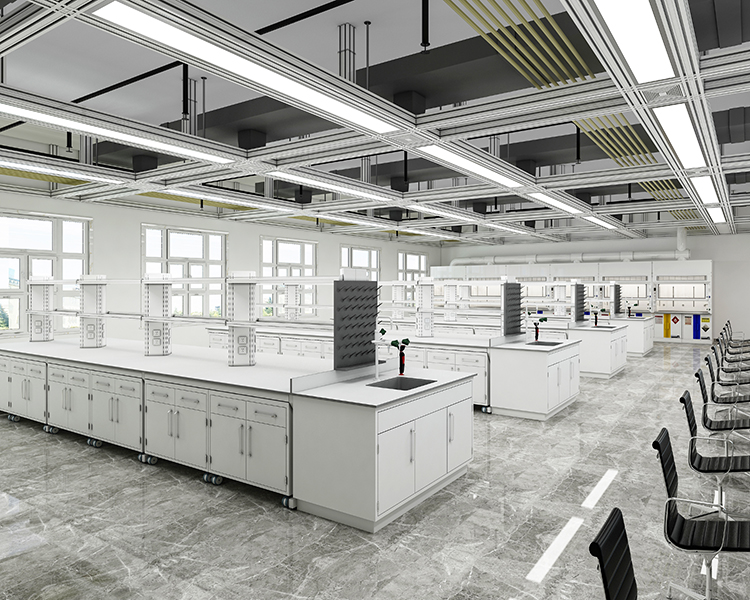
Laboratory construction: Choose corrosion-resistant, easy to clean, and fire-resistant decoration materials. The walls should be made of waterproof, anti mold, and easy to clean materials such as tiles and waterproof boards, and kept seamless. The ceiling should be made of materials that are flat, not easily detached, and not prone to dust accumulation. During the construction process, according to the laboratory design drawings,
Strictly control the construction quality to ensure that the laboratory decoration complies with pharmaceutical related regulations and requirements after completion, and conduct strict acceptance after the construction is completed.
Functional design: Reasonably layout the laboratory, ensure reasonable division of functional areas, and avoid cross contamination. Common functional areas include laboratory research and development area, pilot production area, quality control area, etc. These areas should be clearly separated and equipped with reasonable channels to ensure the smooth flow of personnel and logistics.
Safety design: Clearly divided into clean area, semi polluted area, and polluted area. The clean area includes offices, lounges, etc; The semi polluted area includes sample processing rooms, buffer rooms, etc; The contaminated area includes experimental operation rooms, bacterial culture rooms, etc. The laboratory should be equipped with necessary safety facilities, such as emergency exits and safety protection
Devices, fire prevention equipment, biosafety cabinets, eye wash stations, emergency shower devices, etc.
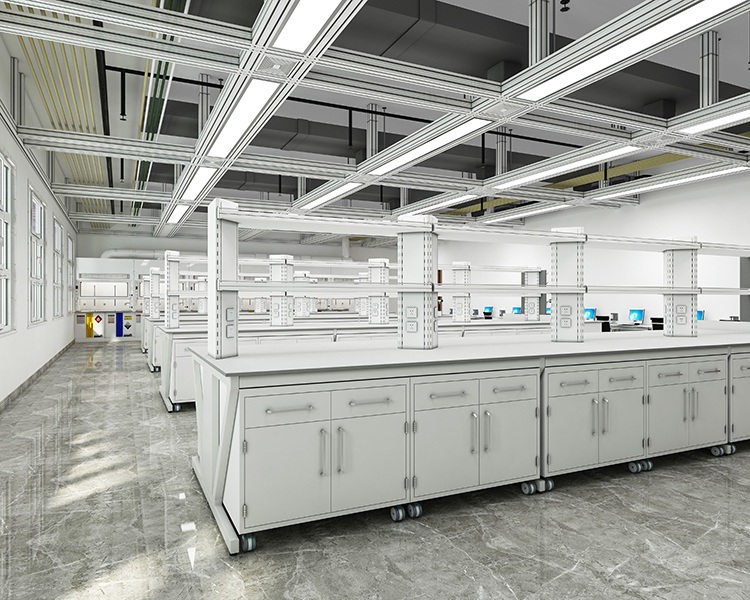
Environmentally friendly design: Choose materials that are corrosion-resistant, easy to clean, and environmentally friendly. Materials such as walls, floors, and ceilings should not contain toxic substances or produce harmful gases. The laboratory should set up a dedicated waste disposal area and be equipped with corresponding processing equipment.
Environmental control: Install an environmental monitoring system to monitor temperature, humidity, pressure, cleanliness, etc. for 24 hours and automatically adjust to the optimal state. Introduce automation control systems, such as SCADA systems, to achieve remote monitoring and automation control of the production process, improving production efficiency and safety.
Equipment selection and configuration: Experimental equipment should meet the experimental requirements, possess functionality, reliability, and safety. When selecting equipment, consideration should be given to whether it complies with standards such as GMP (Good Manufacturing Practice). The equipment should be placed in a location that is easy to operate and maintain to improve experimental efficiency.
Data recording and analysis system: Establish a comprehensive experimental data recording and analysis system to ensure the accuracy and traceability of experimental results. This includes experimental records, equipment usage records, quality inspection records, etc. These records should be regularly organized and analyzed to evaluate the quality and safety of laboratory work.
By following the above steps, a safe, efficient, and GMP compliant biopharmaceutical laboratory can be constructed.
Pre:Commonly used laboratory ventilation equipment
Next:没有了!
Contact:Leon Li
Tel:0514-87669016
Phone:15801711895
E-mail:leon@wuylab.com
Website:http://www.wuylab.com/
Address:Room 2310, Building 1, Guotai Building, Hanjiang District, Yangzhou City